
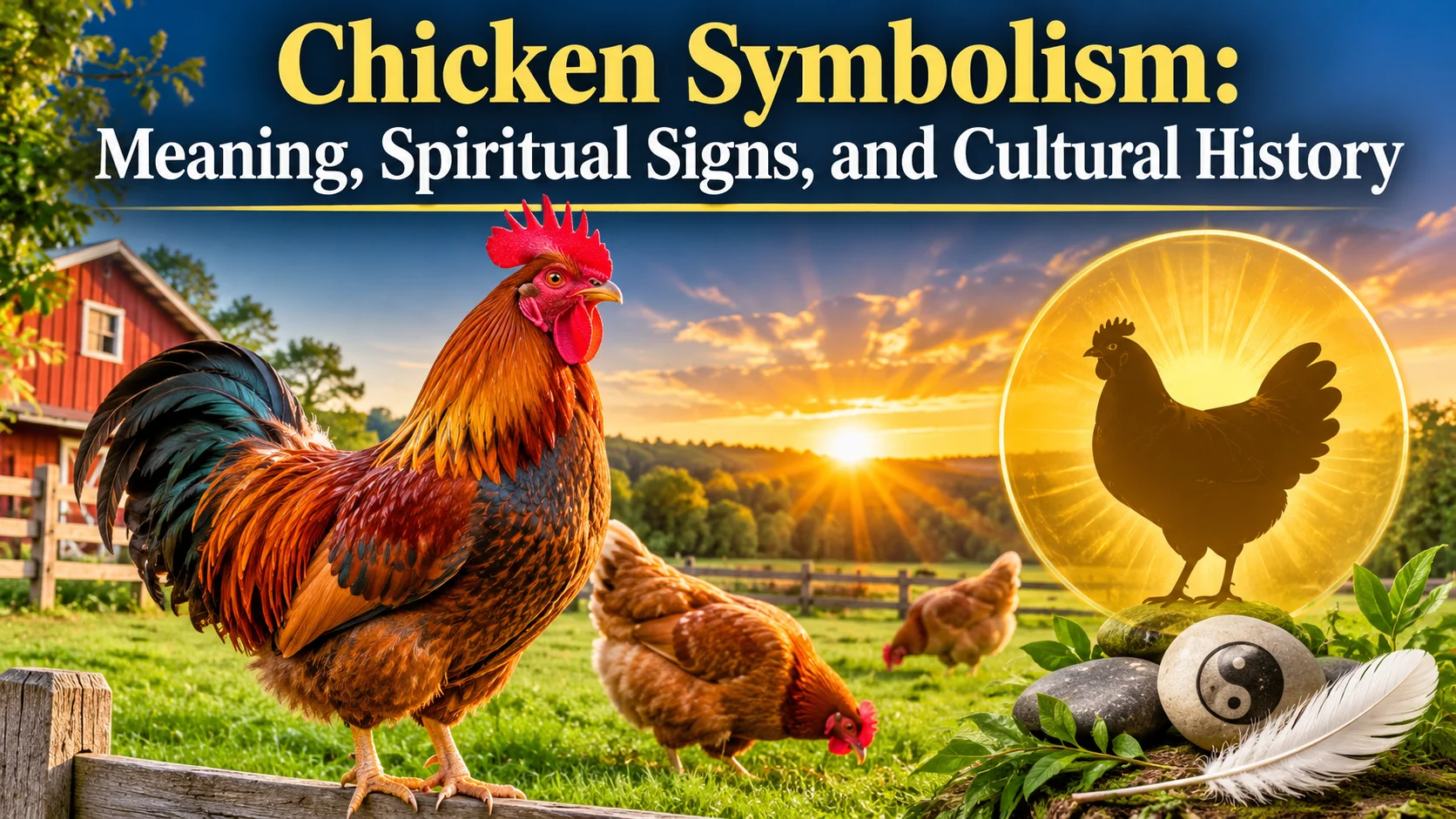
A chicken might seem like an ordinary farm animal, but its symbolism reaches far beyond the barnyard. Across history, people have connected chickens with motherhood, protection, fertility, prosperity, courage, and new beginnings. However, their meanings can change depending on their behavior, appearance, and cultural setting.
In the United States, chickens represent several familiar ideas. A mother hen protecting her chicks suggests unconditional love and family security. Meanwhile, a rooster announcing sunrise can represent confidence, awareness, and fresh opportunities. Chickens also remind Americans of rural traditions, family meals, childhood stories, and self-sufficient living.
Yet chickens have a complicated symbolic history. Some expressions associate them with fear, foolishness, or unnecessary panic. Other traditions view them as spiritual messengers and signs of good fortune. Understanding these different interpretations helps reveal why this familiar bird carries so many meanings. Let’s explore chicken symbolism through American culture, history, spirituality, and everyday life.
Quick Answer
Chicken symbolism in American culture primarily represents motherhood, family protection, nourishment, prosperity, and everyday abundance. Spiritually, chickens can symbolize fertility, renewal, awareness, courage, and the transition from darkness into light.
TL;DR
- Chickens commonly represent motherhood, nurturing, and family protection.
- Roosters symbolize confidence, vigilance, courage, and new beginnings.
- Hens and eggs represent fertility, creativity, and life’s potential.
- American culture connects chickens with farming, food, and rural traditions.
- Some expressions associate chickens with fear, panic, and foolishness.
- Spiritual interpretations often connect chickens with renewal and abundance.
What Does a Chicken Symbolize?
Chickens carry several meanings because people have lived alongside them for thousands of years. Their daily habits, social behavior, and usefulness have shaped human interpretations. In America, these birds often represent familiar values such as family, hard work, nourishment, and independence.
However, a chicken’s specific symbolism depends on its role. A hen caring for chicks creates a different impression from a rooster defending its territory.
Core Symbolic Meanings
The most common meanings associated with chickens include:
- Motherhood: A hen represents care, patience, and protective love.
- Abundance: Eggs and meat connect chickens with nourishment and prosperity.
- New beginnings: Hatching chicks symbolize fresh opportunities and personal growth.
- Protection: A mother hen guarding her young represents safety and family loyalty.
- Courage: Roosters suggest confidence, alertness, and standing your ground.
- Fear: Traditional expressions sometimes use chickens to describe timid behavior.
These meanings aren’t universal rules. Instead, they offer different ways to understand the bird’s place in human culture.
The Difference Between a Hen and a Rooster
A hen generally carries feminine associations, especially motherhood and nourishment. Her protective behavior makes her a natural symbol of family care.
A rooster usually represents masculine qualities in traditional symbolism. Its upright posture, bright feathers, and loud crow suggest confidence and alertness.
However, these associations reflect historical cultural ideas. They don’t mean that courage, protection, or nurturing belong exclusively to one gender.
Historical Origins of Chicken Symbolism
Chicken symbolism developed over many centuries. Ancient societies valued these birds for their eggs, meat, behavior, and reproductive abilities. Consequently, chickens became connected with both practical survival and spiritual beliefs.
Chickens in Ancient Civilizations
Domestic chickens spread through ancient trade and migration networks. Their origins are associated with the red junglefowl of South and Southeast Asia. Over time, people introduced domestic chickens to different regions.
In ancient societies, chickens developed several symbolic roles:
- Ancient Rome: People observed chickens to interpret signs before important military decisions.
- Ancient Greece: Roosters appeared in religious art and associations with courage.
- Ancient Persia: Rooster crowing became connected with the arrival of daylight.
- Ancient Egypt: Eggs carried associations with fertility and the creation of life.
- Ancient Asia: Chickens appeared in traditions involving good fortune, protection, and renewal.
These interpretations weren’t identical. However, the bird’s ability to produce eggs and announce morning gave it lasting symbolic importance.
Chickens in Ancient Roman Divination
One particularly interesting historical practice involved sacred chickens in ancient Rome.
Roman officials sometimes watched chickens before military campaigns. They offered food and interpreted the birds’ willingness to eat as an omen.
If the chickens ate eagerly, observers could interpret the behavior positively. If they refused food, the result might be considered unfavorable.
This practice shows how ordinary animal behavior once influenced major public decisions.
From Ancient Rituals to Household Traditions
As chickens became more common in European households, their symbolism expanded. People associated them with household stability, food supplies, and family prosperity.
During the medieval period, roosters also gained religious associations with vigilance and spiritual awareness. Meanwhile, hens continued to represent motherhood and domestic care.
Today, these older meanings survive in stories, decorations, sayings, and religious imagery.
Chicken Symbolism in American Culture
In the United States, chickens represent much more than farm life. They’re connected with family traditions, agriculture, regional identity, popular entertainment, and everyday language.
American culture has developed both positive and negative interpretations of the bird. Understanding these connections explains why chickens can represent prosperity in one setting and fear in another.
Farming, Independence, and Rural Life
For generations, American farming families raised chickens for eggs and meat. A small flock could provide a reliable source of food without requiring large amounts of land.
As a result, chickens became associated with:
- Rural independence and practical living.
- Household food security and self-sufficiency.
- Family responsibilities and agricultural traditions.
- Patience, daily work, and caring for animals.
- The connection between people and nature.
Today, backyard chicken keeping continues to attract Americans interested in gardening, sustainable living, and local food production.
Chicken as an American Cultural Symbol
Chickens also appear throughout American storytelling and popular language.
The expression “counting your chickens before they hatch” warns against celebrating something before it happens. Similarly, the character Chicken Little represents unnecessary panic and exaggerated fear.
The phrase “a chicken in every pot” became associated with American political promises of household prosperity during the 1928 presidential campaign.
These examples show how chickens became part of America’s shared cultural vocabulary.
Southern Food and Family Traditions
Chicken has a particularly important place in American Southern food culture.
Fried chicken, Sunday dinners, family gatherings, and community celebrations have helped establish the bird as a symbol of hospitality and comfort.
However, this history also deserves context. Southern fried chicken traditions reflect the skills and contributions of Black cooks and food traditions shaped by African, European, and Indigenous influences.
Chicken dishes can represent cultural identity, family memories, celebration, and shared heritage.
Spiritual Meaning of Chickens
In spiritual interpretations, chickens often represent awareness, protection, fertility, and the renewal of life. Their daily routines provide several images that people connect with personal growth.
However, spiritual meanings vary between individuals and traditions. There isn’t one universal interpretation of encountering a chicken.
A Symbol of New Beginnings
A rooster’s crow marks the arrival of morning. For this reason, people often associate it with leaving darkness behind and welcoming new opportunities.
Seeing a rooster in a symbolic or reflective context might remind someone to:
- Begin a new chapter with confidence.
- Recognize opportunities that previously seemed hidden.
- Release outdated habits and negative thinking.
- Approach unfamiliar situations with greater awareness.
- Welcome positive changes without rushing the process.
The symbolism comes from the bird’s natural connection with the daily sunrise.
A Symbol of Protection
A mother hen gathers her chicks beneath her wings when danger approaches.
This behavior creates a powerful image of safety and unconditional care.
Spiritually, the hen can represent protection from emotional difficulties, the importance of supportive relationships, and the need to create a secure environment.
A Symbol of Fertility and Creation
Chickens produce eggs that can develop into new life. Consequently, eggs and hens often appear in interpretations involving fertility, creativity, and potential.
This symbolism can extend beyond having children. It may also represent starting a business, developing an idea, building relationships, or beginning a meaningful project.
Chicken Symbolism in Christianity and Other Religions
Chickens have different roles across religious and cultural traditions. Some interpretations focus on protection and spiritual awareness. Others emphasize fertility, sacrifice, or the beginning of a new day.
It’s important to distinguish established religious imagery from modern personal interpretations.
Chickens in Christianity
One of the best-known biblical images involving a hen appears in Matthew 23:37.
Jesus compares his desire to gather the people of Jerusalem with a hen gathering her chicks beneath her wings.
This image represents:
- Protective and compassionate love.
- Spiritual shelter and belonging.
- Care for vulnerable individuals.
- The desire to bring people together.
The rooster also appears in the story of Peter’s denial. Jesus predicts that Peter will deny knowing him before the rooster crows.
Consequently, Christian interpretations sometimes connect the rooster with human weakness, repentance, spiritual awareness, and the importance of keeping one’s commitments.
Chickens in African and African Diaspora Traditions
Chickens have important roles in several African traditional religions and related diaspora spiritual practices.
Depending on the particular community and tradition, ritual uses of chickens may involve offerings, purification, ancestral relationships, or important life transitions.
These practices have diverse meanings. They shouldn’t be treated as one single belief system.
African diaspora traditions also developed in the Caribbean and the Americas. Historical records document chicken-related rituals among communities in the American South.
Chickens in East Asian Traditions
In Korean traditional culture, the rooster has been associated with good fortune, protection, and the arrival of daylight.
Its crowing connects it with the defeat of darkness and the beginning of a new day. Some traditional stories also associate roosters with important births and auspicious events.
In Chinese zodiac traditions, the Rooster is one of the twelve zodiac animals. It is commonly associated with punctuality, confidence, observation, and diligence.
These interpretations demonstrate how a familiar farm animal can develop important cultural meanings.
Psychological and Emotional Meaning of Chickens
Animals often become symbols because people recognize parts of human behavior in them. Chickens offer several recognizable examples, from maternal care to social cooperation and defensive behavior.
Their psychological symbolism can therefore reflect how people understand relationships, responsibilities, and personal confidence.
Motherhood and Emotional Security
A hen protecting her chicks creates a familiar image of unconditional care.
For many people, this behavior brings feelings of comfort, warmth, safety, and belonging.
The image can remind someone of a supportive parent, a caring family member, or a person who provides emotional stability.
Fear and Vulnerability
Chickens also have a long-standing association with fear in American expressions.
Calling someone a chicken usually suggests that the person is afraid to take a risk. However, this interpretation is based on cultural language rather than a complete understanding of chicken behavior.
Chickens can be defensive and protective when threatened. A rooster may actively confront an intruder, while a hen can aggressively protect her chicks.
Therefore, the bird can represent both vulnerability and courage.
Community and Social Connection
Chickens are social animals that interact within groups. They establish relationships, recognize individuals, and develop social structures.
People sometimes interpret these behaviors as symbols of:
- Belonging to a family or community.
- Cooperation and shared responsibilities.
- Understanding social boundaries.
- Supporting vulnerable members of a group.
- Finding security through meaningful relationships.
These associations make chickens interesting symbols of connection and community.
Different Chicken Colors and Their Symbolic Meanings
Chicken colors can influence their symbolic interpretation. Modern spiritual discussions often assign meanings to white, black, red, brown, and golden chickens.
However, these associations aren’t universal cultural facts. They’re symbolic interpretations that depend on context.
White Chicken Symbolism
White chickens are commonly associated with purity, peace, innocence, and fresh beginnings.
In some spiritual interpretations, a white chicken represents hope, clarity, or protection. Its light appearance can also suggest simplicity and a peaceful home.
Black Chicken Symbolism
Black chickens sometimes represent mystery, transformation, protection, and the unknown.
Some folk traditions have associated black hens with bad luck or supernatural forces. However, other spiritual practices assign black animals protective or sacred meanings.
A black chicken isn’t automatically a negative sign.
Red Chicken Symbolism
Red chickens can symbolize energy, confidence, passion, and determination.
These interpretations often come from the connection between red coloring and fire, warmth, and vitality.
A red rooster can also suggest leadership and a willingness to defend personal boundaries.
Brown and Golden Chicken Symbolism
Brown chickens are frequently connected with stability, simplicity, and a grounded lifestyle.
Golden chickens, meanwhile, can suggest abundance, success, happiness, and prosperity.
These interpretations fit the bird’s familiar association with food, farming, and household security.
Chicken Colors at a Glance
| Chicken Color | Common Symbolic Meaning | Common Association |
| White | Purity and peace | Fresh beginnings |
| Black | Mystery and protection | Transformation |
| Red | Passion and courage | Confidence |
| Brown | Stability and grounding | Home and security |
| Golden | Prosperity and abundance | Success and happiness |
Chicken Symbolism in Dreams
Dreams involving chickens can reflect personal experiences, emotions, and memories. Their meaning often depends on what the bird does and how you feel during the dream.
There isn’t scientific evidence that a chicken dream predicts future events. However, exploring its symbolism can offer a useful way to reflect on personal concerns.
Dreaming About a Hen and Chicks
A hen surrounded by chicks may represent family responsibilities, emotional security, and protective relationships.
For someone experiencing major life changes, this dream might reflect a desire for stability.
It can also bring attention to the importance of caring for people who depend on you.
Dreaming About a Rooster
A rooster appearing in a dream can symbolize confidence, awareness, and self-expression.
Its crow might represent the need to speak honestly or recognize an opportunity.
However, an aggressive rooster could reflect tension, competition, or difficulty managing conflict.
Dreaming About Chicken Eggs
Eggs often represent possibilities and ideas that haven’t fully developed.
A dream involving eggs might encourage reflection on personal goals, creative projects, or new responsibilities.
Broken eggs can suggest disappointment or concerns about losing an opportunity. However, your personal feelings matter more than a fixed interpretation.
Common Chicken Dream Interpretations
- Feeding chickens: Nurturing relationships and managing responsibilities.
- A running chicken: Avoiding a difficult situation or feeling uncertain.
- A crowing rooster: Awareness, confidence, and fresh opportunities.
- Hatching chicks: Personal growth and developing possibilities.
- A dead chicken: Endings, disappointment, or changes in routine.
- A group of chickens: Community, family connections, and social relationships.
Read More: Leopard Symbolism: Meaning, Spirituality, and Power
Chicken Symbolism in Tattoos, Art, and Home Decor
Chicken imagery has a surprisingly broad place in modern American design. People use hens, roosters, and chicks to express personality, cultural identity, and connections with everyday life.
The meaning depends on the design and the person choosing it.
Chicken Tattoos
Chicken tattoos can carry several personal meanings.
A person might choose a hen to celebrate motherhood or family. Someone else might prefer a rooster to express confidence and independence.
Common interpretations include:
- Hen tattoo: Motherhood, family, and protective love.
- Rooster tattoo: Courage, confidence, and personal strength.
- Chick tattoo: Innocence, new beginnings, and youthful energy.
- Egg tattoo: Fertility, creativity, and unrealized potential.
- Chicken flock tattoo: Community, belonging, and family heritage.
Some people also choose chicken tattoos simply because they love farm animals or appreciate their humorous appearance.
Chickens in Home Decor
Farmhouse-style decorating has helped maintain the chicken’s popularity in American homes.
Rooster figurines, hen illustrations, egg baskets, and vintage poultry signs often create a warm, countryside atmosphere.
These decorations can communicate:
- Appreciation for rural traditions.
- Love of cooking and family gatherings.
- Interest in gardening and self-sufficient living.
- Nostalgia for childhood or family farms.
- A preference for welcoming, comfortable spaces.
Chickens on Social Media
Chicken imagery also appears in memes, short videos, and backyard farming communities.
Some people share chickens because they’re entertaining animals with recognizable personalities. Others use them to celebrate gardening, rural lifestyles, and animal care.
The chicken emoji can also communicate humor, food, farming, or playful references to fear.
Chicken Symbolism in American Holidays and Popular Culture
Chickens have a familiar place in American celebrations and entertainment. Their connection with eggs, food, and childhood stories makes them recognizable across generations.
Easter and the Symbolism of Eggs
Chickens are closely associated with Easter through the tradition of decorating and exchanging eggs.
However, the deeper symbolism of Easter eggs comes from the egg itself. It represents new life, renewal, and the arrival of spring.
Christian traditions developed their own meanings around eggs, while some modern American celebrations emphasize family activities and children’s entertainment.
Chicks and hens often appear in seasonal decorations because they naturally fit the theme of new life.
Chicken Little and American Storytelling
Chicken Little is one of the most recognizable chicken characters in Western storytelling.
The character believes the sky is falling and spreads fear among other animals.
In American English, someone described as a Chicken Little is usually considered overly alarmed or quick to predict disaster.
This story helped strengthen the chicken’s association with panic and exaggerated reactions.
Chicken Dinners and Family Celebrations
Chicken dishes have long been associated with American family gatherings.
Fried chicken, roasted chicken, and shared meals often represent comfort, hospitality, and celebration.
For many households, these associations are connected with childhood memories, family recipes, and regional traditions.
Negative Meanings, Misunderstandings, and Controversies
Chicken symbolism isn’t always positive. The bird has acquired negative meanings through jokes, traditional expressions, and cultural stereotypes.
Understanding these interpretations prevents people from treating every chicken symbol as a universal sign of good or bad fortune.
Why Does Chicken Mean Cowardice?
In American English, calling someone a chicken suggests that they’re afraid to do something.
The expression probably developed from observations of chickens reacting quickly to danger. Popular entertainment and childhood stories helped strengthen this association.
However, chickens aren’t simply helpless or cowardly animals. They can defend themselves and protect their young.
Gender Stereotypes and Traditional Expressions
Some older expressions use hens and roosters to reinforce traditional gender expectations.
For example, the term “henpecked” describes a man supposedly controlled by his wife. Similarly, some historical sayings criticized women who displayed authority.
These expressions reflect older social attitudes rather than meaningful facts about relationships.
Modern readers can recognize their historical background without accepting the stereotypes behind them.
Animal Welfare and the Modern Chicken Industry
Chicken symbolism also raises questions about how people treat the actual animals.
In American food culture, chickens represent nourishment and affordability. However, industrial poultry production has created debates about animal welfare, living conditions, and responsible farming.
Animal welfare advocates often use chicken imagery to encourage greater awareness of farm animals.
This creates an important distinction between celebrating the chicken as a cultural symbol and considering the treatment of living birds.
Are Black Chickens Bad Luck?
No single interpretation applies to every culture.
Some European folk traditions associated black hens with misfortune or supernatural events. Other spiritual systems have viewed black animals as symbols of protection or sacred power.
Therefore, describing every black chicken as a bad omen ignores important cultural differences.
How Chicken Symbolism Has Changed Over Time
The meaning of chickens has changed as human societies have developed. Their symbolism once centered heavily on food, farming, religious practices, and household survival.
Today, these traditional meanings exist alongside modern ideas about sustainability, identity, and animal welfare.
From Survival to Cultural Identity
In earlier American households, chickens provided eggs and meat. Their presence often represented practical security and the ability to support a family.
As farming changed, chickens became less essential to many urban households. However, their cultural importance remained.
Today, people may associate them with rural nostalgia, traditional cooking, environmental awareness, or a slower lifestyle.
From Religious Omens to Personal Spirituality
Ancient societies sometimes interpreted chicken behavior as a message about future events.
Modern spiritual interpretations are generally more personal. A rooster might represent motivation, while a hen could symbolize emotional security.
These interpretations don’t necessarily belong to an established religious tradition.
The Modern Meaning of the Chicken
Today’s chicken symbolism combines several historical and contemporary associations:
- Traditional family values and motherhood.
- Agricultural heritage and household independence.
- Courage, awareness, and personal confidence.
- Food culture and regional identity.
- Animal welfare and environmental responsibility.
- Humor, entertainment, and everyday language.
The bird remains culturally recognizable because it connects ordinary life with larger human experiences.
FAQs:
What Does a Chicken Symbolize Spiritually?
A chicken can symbolize protection, fertility, abundance, and new beginnings. Roosters are especially associated with awareness and the arrival of daylight. However, interpretations depend on cultural and personal beliefs.
Is Seeing a Chicken a Sign of Good Luck?
Some traditions associate chickens with prosperity, fertility, and household abundance. A rooster can also represent positive change and confidence. However, seeing a chicken doesn’t universally predict good or bad fortune.
What Does a White Chicken Symbolize?
A white chicken commonly represents purity, peace, innocence, and fresh beginnings. Some spiritual interpretations also associate it with protection and positive energy. These meanings vary across different traditions.
What Does a Black Chicken Symbolize?
Black chickens can represent mystery, transformation, protection, and the unknown. Some folk beliefs connect them with bad luck, while other traditions assign them sacred or protective meanings. Their symbolism depends on cultural context.
What Does a Rooster Symbolize Spiritually?
A rooster often symbolizes confidence, vigilance, courage, and renewal. Because it crows at sunrise, people also connect it with awakening and leaving difficult experiences behind.
What Does a Hen and Her Chicks Symbolize?
A hen protecting her chicks represents motherhood, unconditional love, and emotional security. It can also symbolize family unity, responsibility, and caring for vulnerable people.
What Does a Chicken Egg Symbolize?
A chicken egg commonly represents fertility, creation, potential, and new opportunities. Its association with developing life makes it a popular symbol of personal growth and fresh beginnings.
Conclusion:
Chicken symbolism carries a fascinating mixture of meanings. In American culture, chickens represent family, motherhood, nourishment, rural traditions, and household prosperity. Roosters add another dimension through their associations with confidence, courage, and new beginnings. Across different cultures and spiritual traditions, chickens can also represent protection, fertility, awareness, and renewal. However, negative expressions connect them with fear, panic, and outdated social attitudes.

1 thought on “Chicken Symbolism: Meaning, Spiritual Signs, and Cultural History”