
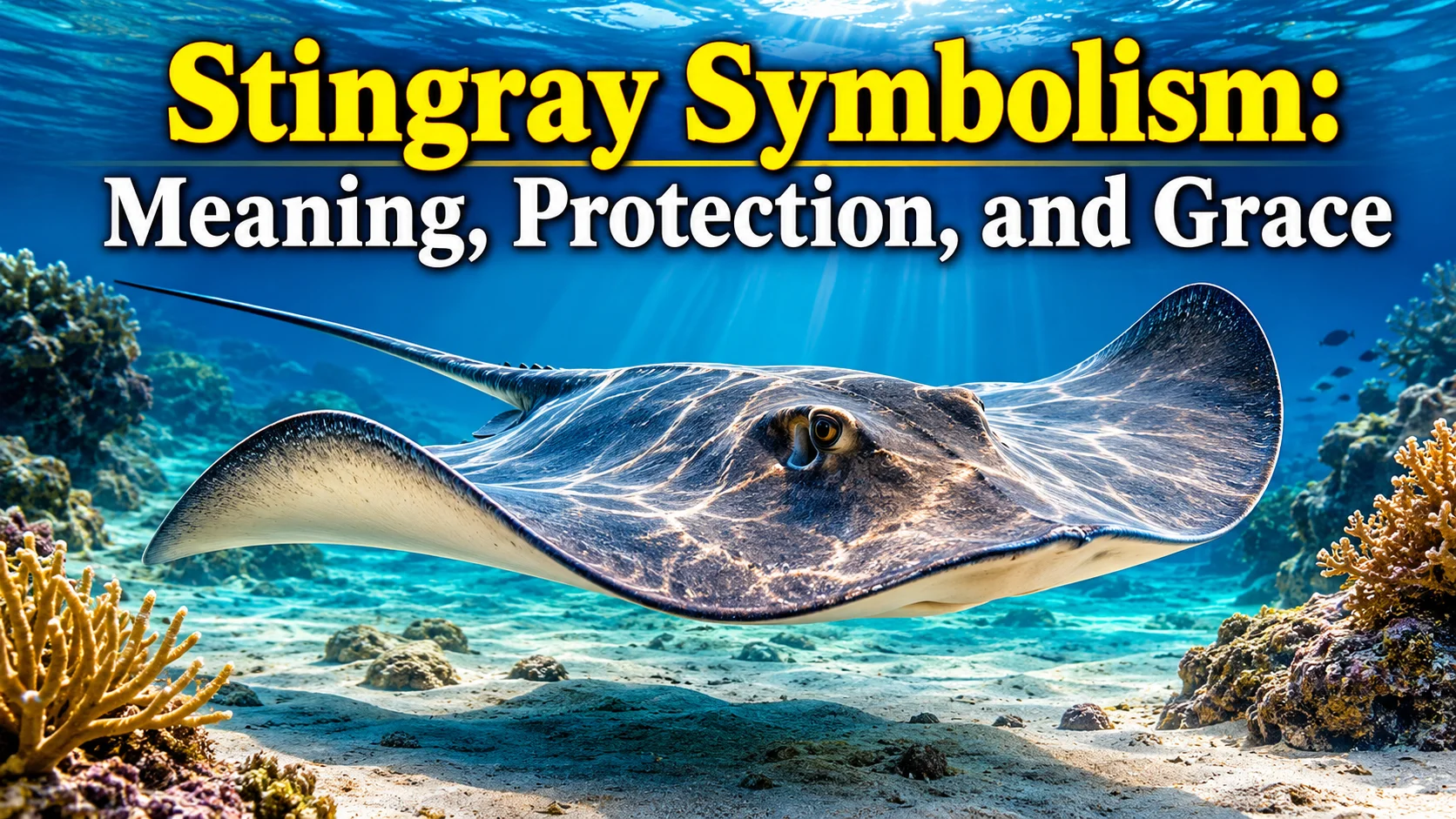
Stingrays are among the ocean’s most fascinating creatures. Their wide, wing-like fins, graceful movements, and quiet presence make them easy to recognize. However, their appearance carries meanings that go beyond natural beauty. In symbolism, stingrays often represent protection, adaptability, hidden strength, and emotional awareness.
Stingray Symbolism has several interesting interpretations in the United States. Some people associate this marine animal with peaceful movement, personal boundaries, and the ability to handle difficult situations. Others see it as a reminder to trust their instincts and remain calm when life becomes unpredictable.
Unlike animals that rely on speed or aggression, stingrays move smoothly through the water. They can also disappear beneath the sand when they sense danger. This behavior creates a powerful symbolic connection with patience, privacy, and self-protection.
Today, stingray imagery appears in tattoos, jewelry, clothing, coastal artwork, and ocean-inspired home decorations. Its meaning also varies across different cultural traditions. Understanding these interpretations helps explain why this quiet sea creature has become such an interesting symbol.
Quick Answer
Stingray symbolism in American culture primarily represents protection, adaptability, quiet strength, and graceful movement through life’s challenges. Spiritually, it can symbolize intuition, emotional balance, patience, and healthy personal boundaries.
TL;DR
- Protection: Represents defending yourself without unnecessary aggression.
- Grace: Symbolizes peaceful movement and confidence.
- Adaptability: Reflects the ability to adjust to changing circumstances.
- Intuition: Encourages listening to inner feelings and instincts.
- Patience: Represents knowing when to wait and when to act.
- Emotional balance: Connects with calmness and understanding your feelings.
What Does a Stingray Symbolize?
A stingray’s appearance offers several symbolic interpretations. Its flat body, flowing fins, and distinctive tail create a combination of gentleness and defense. Therefore, people often connect this animal with peaceful strength.
In American symbolism, the stingray can represent someone who prefers calm solutions but knows when to protect themselves. It doesn’t need to appear aggressive to communicate strength.
Protection and Personal Boundaries
The stingray’s most recognizable defensive feature is its tail spine. It generally uses this structure for protection rather than hunting. This creates a symbolic connection with personal boundaries.
For example, someone who has learned to say no without feeling guilty might identify with this animal. They value kindness, but they don’t allow others to take advantage of them.
Grace and Adaptability
Stingrays move through water using smooth movements of their fins. Their appearance resembles a bird flying underwater.
Symbolically, this graceful movement represents flexibility. It encourages people to adjust when circumstances change instead of resisting every unexpected situation.
Quiet Strength
Stingrays often remain close to the ocean floor. Some species bury themselves beneath sand for camouflage.
This behavior suggests strength that doesn’t require public attention. It can represent people who remain confident without constantly proving themselves.
Historical Background of Stingray Symbolism
Stingrays have existed in marine environments for millions of years. Their unusual appearance and defensive abilities have influenced how different societies understand them.
However, stingray symbolism doesn’t come from one universal ancient belief. Different communities developed their own relationships with these animals.
Ancient Marine Connections
Early coastal communities encountered stingrays while fishing, collecting shellfish, and traveling through shallow waters. Their flat bodies and long tails made them recognizable marine animals.
Because some species carry venomous spines, people also understood their defensive abilities. This combination of beauty and danger encouraged respect and caution.
Over time, the stingray became more than a source of food or a familiar ocean creature in certain societies.
Stingrays in Ancient Maya Culture
One particularly important historical example comes from ancient Maya civilization.
Maya rulers used stingray spines in bloodletting ceremonies. These ceremonies held religious and political importance within their society.
Bloodletting was connected with communication with deities, royal responsibility, and sacred offerings. Stingray spines also appeared in ancient artwork and ceremonial objects.
These historical practices demonstrate that stingray symbolism could involve sacrifice, sacred responsibility, and spiritual power.
However, these meanings belong to a particular historical and cultural setting. They shouldn’t be treated as universal interpretations.
From Ancient Practices to Modern Symbolism
Today, most American interpretations focus on the animal’s appearance and natural behavior.
People commonly connect its movements with peace, adaptability, and emotional balance. Its defensive spine also provides a recognizable image of self-protection.
As marine life became more visible through aquariums, nature documentaries, and coastal tourism, stingrays developed a stronger connection with ocean appreciation.
Stingray Symbolism in American Culture
In the United States, stingrays are strongly associated with coastal environments and marine wildlife. They are familiar to people visiting beaches, aquariums, and tropical destinations.
However, their symbolic meaning extends beyond ocean activities. They can represent freedom, personal independence, and a relaxed approach to life.
Coastal Identity and American Lifestyle
Stingrays are found in shallow tropical and subtropical coastal waters. Several species inhabit waters around the southeastern United States and the Gulf Coast.
For American beach communities, these animals are part of the natural coastal environment. They appear in educational displays, wildlife photography, and marine conservation programs.
This connection creates several modern associations:
- Beach lifestyle: Represents relaxation, sunshine, and coastal freedom.
- Ocean appreciation: Reflects respect for marine environments.
- Personal independence: Suggests confidence and freedom of choice.
- Environmental awareness: Encourages interest in protecting marine wildlife.
- Adventure: Connects with snorkeling, swimming, and exploring coastal waters.
Popular Culture and Marine Education
American aquariums have helped people understand stingrays beyond their intimidating tails.
Visitors can observe how these animals move, feed, and interact with their surroundings. Such experiences often replace fear with curiosity.
Additionally, wildlife documentaries show their natural behavior and ecological importance.
Consequently, stingrays can symbolize peaceful coexistence with nature. They remind people that unfamiliar animals aren’t automatically dangerous.
Freedom and Individuality
The stingray’s unusual shape makes it an attractive symbol for people who appreciate ocean-inspired identities.
Its flowing body can represent freedom from unnecessary restrictions. Its independent movement also suggests confidence in choosing your own direction.
For many Americans, this symbolism connects naturally with travel, outdoor activities, and personal exploration.
Spiritual Meaning of a Stingray
Spiritually, a stingray is often interpreted as a symbol of intuition, protection, emotional awareness, and peaceful strength.
These meanings generally come from observing its behavior rather than following one universal religious teaching.
Trust Your Inner Guidance
Stingrays spend much of their time close to the ocean floor. They use specialized sensory organs to detect electrical signals produced by nearby animals.
This remarkable ability creates an interesting symbolic connection with intuition.
Spiritually, seeing a stingray may remind someone to pay attention to feelings they have been overlooking.
It can encourage you to:
- Listen carefully before making important decisions.
- Notice situations that make you uncomfortable.
- Trust experience instead of following every outside opinion.
- Remain observant when circumstances feel uncertain.
Protection Without Aggression
The stingray doesn’t constantly display its defensive spine. Instead, it generally uses camouflage and movement to avoid unnecessary encounters.
This behavior creates a spiritual message about peaceful protection.
You can remain kind without accepting disrespect. You can also establish boundaries without creating unnecessary conflict.
Emotional Balance
Water frequently represents emotions in spiritual and symbolic traditions.
Because stingrays move through water so smoothly, they can represent emotional flexibility. Their symbolism encourages people to experience feelings without allowing every emotion to control their decisions.
Personal Transformation
A stingray’s ability to disappear beneath the sand and reappear later offers another symbolic interpretation.
It can represent stepping away from stressful situations before returning with greater clarity.
This meaning may resonate with someone experiencing personal change, recovering confidence, or beginning a new chapter.
Stingray Symbolism Across Different Cultures
Stingrays don’t have one fixed meaning across the world. Their cultural importance depends on local environments, historical experiences, and traditional beliefs.
Understanding these differences prevents modern interpretations from being confused with established cultural practices.
Polynesian and Pacific Traditions
Marine animals hold important places in many Pacific Island cultures. Their meanings can connect with ancestry, ocean knowledge, navigation, and community identity.
Stingray imagery also appears in some Polynesian tattoo traditions. Modern interpretations commonly associate it with protection, grace, and adaptability.
However, tattoo patterns differ across Samoan, Tahitian, and Hawaiian traditions. Their meanings depend on specific designs, placements, and cultural backgrounds.
Māori Cultural Connections
In Māori language, whai refers to a stingray.
An important example comes from Te Whānau-ā-Apanui traditions in New Zealand. In this community, the stingray is described as a guardian protecting areas where people collect shellfish.
This connection reflects guardianship, environmental responsibility, and relationships between people and marine life.
Indigenous Australian Connections
Certain Australian Indigenous communities have specific relationships with stingray species.
For example, the mangrove whipray is culturally significant to the Gumatj clan of the Yolngu people. It has been associated with parenting, teaching, and passing knowledge between generations.
The animal’s protective behavior toward its young provides a connection with family responsibility and cultural continuity.
These meanings belong to particular communities and shouldn’t be generalized to every Indigenous Australian tradition.
Ancient Mesoamerican Traditions
Ancient Maya communities used stingray spines in ceremonial bloodletting.
This practice connected the animal with sacred offerings, royal authority, and religious responsibilities.
Unlike modern interpretations of peace and relaxation, this historical association involved serious ceremonial obligations.
The difference demonstrates how the same animal can carry very different meanings across historical periods.
Psychological and Emotional Meaning of a Stingray
Animals can become powerful personal symbols because their physical characteristics remind people of human experiences.
The stingray combines graceful movement with a defensive feature. This combination creates interesting psychological associations.
Calmness During Difficult Situations
A stingray’s movement appears smooth and controlled.
Symbolically, this can represent someone who doesn’t immediately react to every problem.
Instead, they observe the situation and choose a thoughtful response.
This interpretation may appeal to people working toward emotional maturity and greater self-control.
Sensitivity and Self-Protection
Stingray symbolism can also reflect the relationship between sensitivity and personal boundaries.
Some people are naturally observant and emotionally responsive. However, they may struggle when others misunderstand their kindness.
The stingray offers a useful symbolic reminder: sensitivity doesn’t mean weakness.
You can care about others while protecting your own emotional space.
Independence and Confidence
A stingray moves independently through its marine environment.
As a personal symbol, it can represent someone comfortable with their own decisions.
It may appeal to people who value privacy, independence, and freedom from unnecessary social pressure.
Understanding the Shadow Side
Every symbol can have less positive interpretations.
The stingray’s ability to hide can represent avoidance when taken too far. Its defensive spine may suggest becoming overly guarded.
These interpretations don’t make the animal negative. Instead, they encourage reflection about the difference between healthy protection and emotional isolation.
Stingray Tattoo Meaning and Symbolism
Stingray tattoos appeal to people who appreciate marine animals and ocean-inspired artwork.
Their distinctive shape works well in different tattoo styles. Some designs look realistic, while others use geometric patterns or flowing lines.
However, the meaning depends on the wearer’s personal experience and the cultural background of the design.
Common Stingray Tattoo Meanings
A stingray tattoo can represent several personal values:
- Protection: A reminder to maintain healthy personal boundaries.
- Freedom: A connection with independence and personal exploration.
- Adaptability: Represents surviving changes without losing yourself.
- Ocean connection: Expresses love for beaches and marine environments.
- Quiet confidence: Symbolizes strength without aggressive behavior.
Polynesian-Inspired Stingray Tattoos
Traditional Polynesian tattooing includes meaningful patterns connected with family, ancestry, identity, and cultural belonging.
Some contemporary designs incorporate stingray shapes with geometric details.
However, these patterns shouldn’t be treated as interchangeable decorations. Their cultural significance deserves respect and proper understanding.
Choosing a Personal Design
People often select stingray tattoos because the animal represents something meaningful in their lives.
A small outline might express a love of the ocean. A detailed design might represent surviving a difficult experience.
Ultimately, the strongest tattoo meaning is one that reflects the wearer’s genuine connection with the symbol.
Read More: Falcon Symbolism: Meaning, Spiritual Signs, and Power
Stingray as a Spirit Animal and Totem
In contemporary spiritual language, people sometimes describe the stingray as a spirit animal or personal guide.
These interpretations generally focus on intuition, emotional awareness, protection, and adaptability.
However, the term totem has specific meanings in certain Indigenous cultures. It shouldn’t be casually applied to every personal animal symbol.
Stingray as a Spiritual Guide
People who connect with stingray symbolism may see the animal as a reminder to approach life calmly.
Its natural behavior suggests several personal lessons:
- Protect your peace without creating unnecessary conflict.
- Trust your instincts when something feels wrong.
- Adjust your direction when circumstances change.
- Allow yourself time to understand difficult emotions.
- Recognize that quiet confidence can be powerful.
Stingray as a Personal Totem
Some modern spiritual practices use animal imagery to represent personal values.
In this context, a stingray may reflect independence, patience, and emotional sensitivity.
For someone who identifies with these qualities, the animal can become a meaningful reminder of their preferred way of living.
What Does Seeing a Stingray Mean Spiritually?
Seeing a stingray can feel meaningful, especially when the encounter happens unexpectedly.
Some people interpret such experiences spiritually. Others simply appreciate the opportunity to observe marine wildlife.
There isn’t scientific evidence that seeing a stingray predicts a particular event. However, personal reflection can still make the experience meaningful.
Seeing a Stingray While Swimming
A stingray appearing during a swim may remind you of awareness and respect for your surroundings.
Symbolically, it can represent learning to share space with unfamiliar situations.
It also encourages patience and careful observation.
Seeing a Stingray Near the Shore
A stingray swimming close to shore can symbolize a connection between emotional awareness and everyday life.
In personal reflection, this encounter might encourage you to pay attention to feelings you’ve been ignoring.
Seeing a Stingray Repeatedly
Repeated sightings can feel especially significant to people who enjoy spiritual symbolism.
Some interpret them as reminders to establish boundaries or trust their instincts.
However, repeated sightings may also reflect the animal’s natural habitat and seasonal behavior.
Both explanations can exist without requiring one interpretation to replace the other.
Stingray Symbolism in Dreams
Dreams about stingrays can have different interpretations depending on the setting and emotions involved.
A peaceful encounter may suggest calmness and flexibility. A frightening encounter may reflect concerns about vulnerability or personal boundaries.
Dream symbolism isn’t an exact science. Your experiences and emotional state matter more than any universal dream dictionary.
Dreaming of a Swimming Stingray
A swimming stingray may represent emotional movement and adaptability.
Its smooth movements can symbolize handling complicated situations without unnecessary stress.
It may also reflect a desire for greater freedom.
Dreaming of a Stingray Attack
An attacking stingray may represent feeling threatened or becoming defensive.
Perhaps someone has crossed a personal boundary. Alternatively, you may feel uncomfortable expressing your needs.
The dream can encourage reflection about where you need greater confidence.
Dreaming of a Stingray in Clear Water
Clear water often creates an association with emotional clarity.
A stingray swimming peacefully in clear water may symbolize greater awareness of your feelings.
It can also represent a period of personal understanding and calm decision-making.
Dreaming of a Stingray Under Sand
A hidden stingray may symbolize private concerns or emotions that haven’t been fully addressed.
It can also represent patience and the importance of choosing the right moment.
Stingray Symbolism in Art, Fashion, and Home Decor
Stingray imagery has become a recognizable part of ocean-inspired design.
Its unusual shape creates attractive patterns for different creative uses. Additionally, its connection with coastal environments gives it a relaxed and natural appearance.
Ocean-Inspired Home Decor
Stingray designs appear in coastal artwork, decorative objects, wall prints, and textiles.
In American homes, these designs often complement beach-inspired interiors.
They can communicate:
- Relaxation and peaceful surroundings.
- Appreciation for marine wildlife.
- Memories of coastal vacations.
- Interest in ocean conservation.
- A connection with seaside living.
Fashion and Jewelry
Stingray imagery appears in necklaces, bracelets, clothing patterns, and accessories.
Some people choose these designs because they enjoy marine animals. Others appreciate the symbolism of protection and independence.
The animal’s recognizable outline also makes it suitable for simple, understated accessories.
Social Media and Digital Identity
On social media, stingray imagery can communicate an interest in ocean life, travel, and marine conservation.
People may also use stingray illustrations to represent personal qualities.
Its meaning depends on the individual. A beach traveler and someone interested in spiritual symbolism may use the same image for completely different reasons.
Negative Meanings, Misunderstandings, and Controversies
Stingrays are generally associated with positive qualities in modern symbolic interpretations. However, their defensive abilities can create less positive associations.
Understanding these differences prevents unnecessary fear and cultural misunderstandings.
Stingrays and Danger
Some stingray species possess venomous tail spines. Injuries can occur when people accidentally step on them in shallow water.
This natural defense has contributed to their reputation as dangerous marine animals.
However, stingrays generally aren’t aggressive toward people. Many encounters happen because swimmers unintentionally approach or disturb them.
Confusing Protection With Aggression
The stingray’s defensive spine can represent protection. However, some people interpret it as hostility or confrontation.
These meanings aren’t necessarily the same.
Healthy protection involves recognizing your limits. Aggression involves unnecessarily harming or intimidating others.
The distinction matters when using stingray imagery as a personal symbol.
Cultural Appropriation in Tattoo Designs
Polynesian and other Pacific tattoo traditions contain cultural meanings that extend beyond decorative patterns.
Using traditional designs without understanding their background can create misunderstandings.
A respectful approach involves learning about the design’s origins and avoiding claims that every pattern has the same meaning.
Fear Versus Respect
Movies, news reports, and dramatic wildlife stories sometimes present stingrays mainly as dangerous creatures.
This creates an incomplete picture of their natural behavior.
A more balanced understanding recognizes their ecological importance, defensive abilities, and role in marine environments.
How Stingray Symbolism Has Changed Over Time
The meaning of stingrays has developed through changing relationships between humans and the ocean.
In ancient societies, their spines could hold ceremonial importance. Later, coastal communities became familiar with them through fishing and everyday marine activities.
Today, their symbolism often emphasizes personal qualities and environmental awareness.
From Survival to Spiritual Interpretation
Early coastal encounters involved practical concerns, including fishing, food, and protection from defensive spines.
However, ancient Maya ceremonial practices demonstrate that stingrays also held sacred significance in particular societies.
Modern spiritual interpretations often focus on intuition, emotional balance, and peaceful strength.
These newer meanings reflect changing cultural interests rather than a single uninterrupted tradition.
Modern Environmental Awareness
Today, marine conservation has influenced how many Americans view ocean animals.
Stingrays are increasingly appreciated for their ecological roles and unusual adaptations.
Their symbolic meaning can therefore extend beyond personal development. It can also represent respect for nature and responsibility toward marine environments.
A Symbol of Modern Individuality
Modern tattoos, artwork, and fashion have made stingray imagery more accessible.
People can choose the animal for its appearance, personal meaning, or connection with coastal living.
Consequently, its symbolism continues to develop through individual experiences and changing cultural interests.
FAQs:
What Does a Stingray Symbolize Spiritually?
Spiritually, a stingray commonly represents intuition, protection, adaptability, and emotional balance. Some people interpret it as a reminder to trust their instincts and maintain healthy boundaries.
Is Seeing a Stingray a Good Sign?
Many modern spiritual interpretations consider seeing a stingray a positive experience. It may symbolize peaceful changes, self-protection, or greater emotional awareness. However, its meaning depends on personal beliefs.
What Does a Stingray Tattoo Represent?
A stingray tattoo can represent freedom, protection, independence, and a connection with the ocean. Some people also choose it to express resilience and quiet confidence.
What Does a Stingray Mean in Polynesian Culture?
Stingray imagery appears in some Polynesian tattoo traditions and can carry associations with protection and ocean life. However, specific meanings depend on the community and design.
What Does a Stingray Represent in Dreams?
A stingray in a dream may symbolize emotional awareness, adaptability, or personal boundaries. Its interpretation often depends on whether the encounter feels peaceful, frightening, or unexpected.
Is a Stingray a Symbol of Protection?
Yes, protection is one of the most common modern symbolic interpretations. Its defensive spine and ability to camouflage create a connection with personal boundaries and self-preservation.
Conclusion:
Stingray symbolism brings together several meaningful ideas, including protection, grace, adaptability, intuition, and quiet strength. Its unusual appearance and natural behavior make it an interesting symbol across personal, spiritual, and cultural contexts.
In the United States, stingrays often represent coastal freedom, ocean appreciation, and peaceful confidence. Their historical connections with ancient Maya ceremonies and cultural traditions in the Pacific and Australia add further depth to their meaning.
