
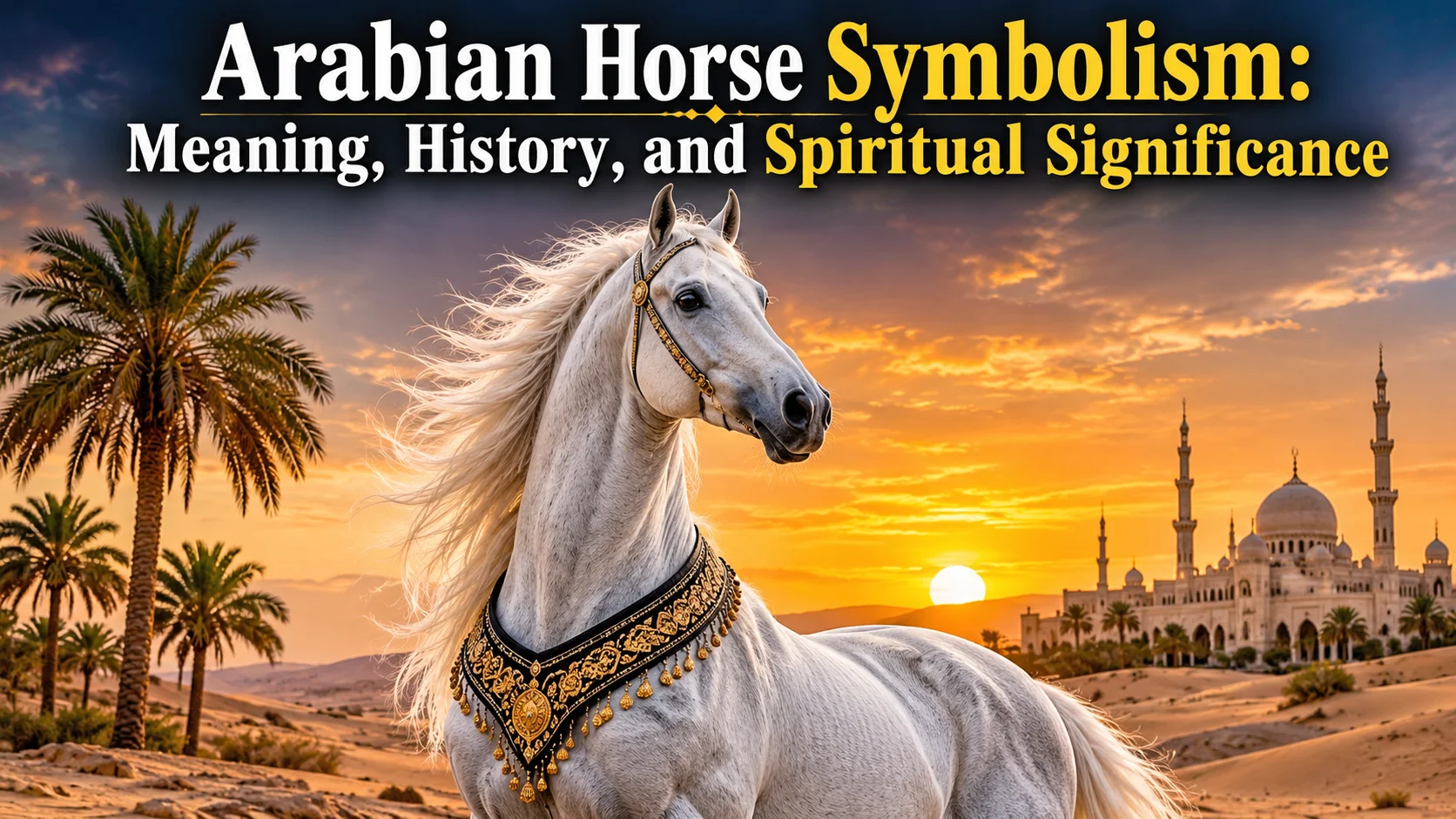
The Arabian horse is more than a symbol of beauty and speed. For centuries, it has represented freedom, courage, loyalty, endurance, and a powerful bond between humans and animals. Arabian Horse Symbolism carries a rich history that connects ancient desert traditions with modern American culture.
Known for its graceful appearance, expressive eyes, arched neck, and naturally raised tail, the Arabian horse has a presence that feels both powerful and elegant. Its history stretches across the Arabian Peninsula, where Bedouin communities carefully bred these horses for survival, companionship, and travel. Over time, the breed became admired throughout Europe and the United States.
Today, Arabian horses appear in paintings, literature, equestrian competitions, tattoos, and decorative artwork. People often associate them with personal independence, confidence, nobility, and inner strength. However, their symbolism goes much deeper than physical appearance.
Understanding this horse’s meaning helps us appreciate its cultural history and emotional significance. It also reveals why this remarkable animal continues to inspire people around the world.
Quick Answer:
Arabian horse symbolism primarily represents freedom, loyalty, endurance, courage, beauty, and nobility. In American culture, it often reflects independence, personal strength, elegance, and the determination to overcome challenges. In broader spiritual interpretations, it can represent devotion, resilience, and a meaningful connection with life.
TL;DR: Arabian Horse Symbolism at a Glance
- Freedom: Represents independence and the desire to explore life.
- Strength: Reflects physical power, courage, and determination.
- Loyalty: Symbolizes trust and lasting relationships.
- Beauty: Represents elegance, grace, and natural refinement.
- Endurance: Encourages patience and persistence through difficulties.
- Spirituality: Suggests inner strength, devotion, and personal growth.
Overview of Arabian Horse Symbolism
The Arabian horse is one of the world’s most recognizable horse breeds. Its distinctive appearance and long relationship with humans have shaped its symbolic meaning. In the United States, people often connect this breed with elegance, athletic ability, independence, and traditional horsemanship.
Unlike symbols based only on appearance, the Arabian horse carries centuries of cultural associations. Its history reflects survival, careful breeding, companionship, and the importance of trust.
What Makes the Arabian Horse Symbolic?
Several physical and behavioral characteristics contribute to its symbolism.
- Expressive eyes: Often represent awareness, intelligence, and emotional sensitivity.
- Arched neck: Suggests confidence, pride, and graceful strength.
- High tail carriage: Creates an impression of energy and self-assurance.
- Strong body: Represents endurance, athleticism, and physical resilience.
- Responsive personality: Connects with intelligence, companionship, and loyalty.
These qualities make the Arabian horse a powerful subject in art and storytelling.
The Three Central Meanings
Although interpretations vary, three themes appear repeatedly.
Freedom and independence: The horse’s desert heritage creates strong associations with open spaces and unrestricted movement.
Loyalty and companionship: Its historical relationship with Bedouin families represents trust and devotion.
Beauty and nobility: Its refined appearance has made it an enduring symbol of elegance and prestige.
Together, these qualities explain why the Arabian horse represents both physical excellence and emotional connection.
Historical Origins of the Arabian Horse
Understanding the Arabian horse’s symbolism requires looking at its historical development. Its story is closely connected with the deserts and communities of the Middle East. These traditions eventually influenced how Americans understood and admired the breed.
Ancient Desert Origins
The Arabian horse developed through generations of breeding in the Arabian Peninsula and surrounding regions. Its exact origins remain debated among historians and researchers.
However, Bedouin communities played a major role in preserving and developing the breed. They needed horses capable of traveling across difficult terrain and surviving challenging conditions.
Speed mattered, but endurance and reliability mattered just as much. These qualities helped the Arabian horse become highly valued.
The Bedouin Relationship
For Bedouin communities, horses were more than transportation or military resources. They could become trusted companions and important members of the household.
Families shared limited food and water with their animals. Some horses even lived close to their owners inside tents.
This relationship helped establish several lasting symbolic associations:
- Loyalty between humans and animals.
- Courage during dangerous journeys.
- Trust developed through shared experiences.
- Protection and survival in difficult environments.
- Pride in family heritage and horse ancestry.
Consequently, the Arabian horse became associated with much more than physical performance.
The Influence of Islamic History
Islamic history also contributed to the breed’s cultural importance. Traditions associated with the Prophet Muhammad emphasize kindness toward horses and their proper care.
Over time, Arabian horses became important across several Muslim societies. Their qualities were admired in military, cultural, and practical settings.
However, religious traditions and historical accounts should not be treated as identical. Different communities developed their own interpretations and stories about these animals.
Arabian Horse Symbolism in American Culture
In the United States, the Arabian horse represents a combination of historical heritage, athletic excellence, freedom, and refined beauty. Its influence extends beyond traditional horse breeding. It also appears in American equestrian culture, exhibitions, competitions, and art.
Arabian Horses in Early American History
Arabian horses reached American shores during the colonial period. Historical records identify an Arabian stallion imported to Virginia in 1725.
The breed gradually attracted attention among American horse enthusiasts and breeders. George Washington also rode horses associated with Arabian bloodlines.
Another important development occurred during the nineteenth century. General Ulysses S. Grant received two stallions, Leopard and Linden Tree, from the Sultan of Turkey.
These historical connections helped strengthen the breed’s reputation in America.
The 1893 Chicago World’s Fair
One important moment in American Arabian horse history was the World’s Columbian Exposition in Chicago in 1893.
The exhibition introduced many Americans to Arabian horses through a large display. Their unusual beauty, movement, and refined appearance attracted considerable attention.
The event helped encourage interest in importing and breeding Arabian horses.
What the Breed Represents in the USA Today
Modern American audiences often associate Arabian horses with:
- Freedom: The open desert represents independence and adventure.
- Achievement: Equestrian competitions highlight discipline and athletic ability.
- Heritage: The breed reflects centuries of human-animal relationships.
- Elegance: Its refined appearance represents beauty and sophistication.
- Resilience: Its endurance reflects the ability to overcome challenges.
Today, Arabian horses participate in endurance riding, Western disciplines, English riding, and other equestrian activities.
Their popularity also reflects America’s broader appreciation for horse culture and animal companionship.
Arabian Horse Spiritual Meaning
The Arabian horse carries several spiritual interpretations, particularly those connected with strength, freedom, loyalty, and devotion. These meanings often come from its historical relationship with people and its ability to survive challenging environments.
However, spiritual interpretations aren’t universal rules. Different individuals and traditions may understand the same animal differently.
A Symbol of Inner Strength
Spiritually, the Arabian horse can represent the strength needed to continue through difficult experiences.
Its endurance suggests that real strength isn’t always loud or aggressive. Sometimes, it appears through patience, discipline, and steady determination.
For someone facing personal challenges, the horse can serve as a reminder to remain confident.
A Symbol of Freedom
The image of an Arabian horse moving across an open desert can represent a desire for independence.
It may encourage reflection about personal choices, boundaries, and the courage to follow an individual path.
A Symbol of Devotion
The breed’s historical connection with Bedouin families also supports interpretations involving trust and loyalty.
In a spiritual context, this meaning can represent commitment to loved ones, personal values, and meaningful relationships.
A Symbol of Personal Growth
The Arabian horse can also represent the journey toward becoming a stronger person.
Its symbolism encourages qualities such as:
- Remaining patient during uncertain situations.
- Developing confidence through experience.
- Protecting meaningful relationships.
- Maintaining personal values during difficult periods.
- Balancing independence with responsibility.
These interpretations make the Arabian horse an appealing symbol of personal development.
Arabian Horse Symbolism in Different Cultures
Although the Arabian horse originated in the Middle East, its influence eventually reached many parts of the world. Different societies developed their own associations with horses, shaped by history, religion, art, and everyday life.
Middle Eastern and Bedouin Traditions
In Bedouin culture, the Arabian horse traditionally represented wealth, survival, honor, and companionship.
Its value extended beyond financial importance. A well-bred horse could represent generations of knowledge and family heritage.
The preservation of bloodlines also reflected a strong commitment to tradition.
Islamic Cultural Associations
In Islamic cultural history, horses have connections with courage, responsibility, military history, and care for animals.
Arabian horses became especially admired because of their historical importance among Muslim communities.
However, the breed itself isn’t a religious symbol with one universal meaning. Its significance varies across historical periods and individual traditions.
European Traditions
Arabian horses influenced European horse breeding and artistic traditions.
European breeders admired their speed, endurance, and refined appearance. Their bloodlines also contributed to the development of several modern horse breeds.
In paintings and literature, Arabian horses frequently became associated with adventure, aristocracy, romance, and exotic landscapes.
Modern Global Interpretations
Today, people from different backgrounds may associate Arabian horses with:
- Independence and personal freedom.
- Cultural heritage and historical preservation.
- Beauty and artistic expression.
- Strength and athletic achievement.
- Trust and emotional companionship.
These shared interpretations demonstrate how one breed can carry different meanings across societies.
Emotional and Psychological Meaning of the Arabian Horse
The Arabian horse often creates a strong emotional response. Its graceful movement and alert expression can make it appear confident, intelligent, and emotionally connected.
From a psychological perspective, people may connect these characteristics with qualities they admire in themselves or others.
Confidence and Self-Respect
The Arabian horse’s proud posture often symbolizes confidence.
Its appearance suggests someone who understands personal worth without needing constant approval.
People who identify with this meaning may value independence and self-respect.
Emotional Intelligence
Arabian horses are often admired for their alertness and responsiveness.
Their expressive appearance can symbolize awareness of emotions and surroundings.
This interpretation connects the breed with sensitivity, observation, and understanding.
Courage During Difficult Times
The horse’s historical association with difficult desert conditions creates a strong connection with resilience.
It can represent someone who continues moving forward despite uncertainty.
Psychological Associations at a Glance
| Emotional Quality | Symbolic Meaning | Personal Connection |
| Confidence | Pride and self-belief | Trusting your abilities |
| Freedom | Independence and exploration | Making personal choices |
| Loyalty | Trust and commitment | Building lasting relationships |
| Resilience | Endurance and determination | Overcoming difficulties |
| Elegance | Grace and refinement | Expressing personal identity |
| Intelligence | Awareness and responsiveness | Learning through experience |
These associations explain why the Arabian horse appeals to people who value both strength and sensitivity.
Arabian Horse Color Symbolism
Arabian horses appear in several recognized coat colors. Although color interpretations aren’t official breed characteristics, people often attach additional symbolic meanings to them.
In American art, photography, and horse-related decorations, color can influence the mood of an Arabian horse image.
White and Gray Arabian Horses
White and gray Arabian horses often create an impression of purity, elegance, peace, and spiritual beauty.
Gray is a recognized Arabian coat color. Many gray horses are born darker and gradually become lighter as they age.
Common symbolic associations include:
- Peace and emotional balance.
- Wisdom and maturity.
- Grace and refinement.
- Spiritual reflection and renewal.
Black Arabian Horses
Black Arabian horses often symbolize mystery, authority, strength, and determination.
Their dark coats create a dramatic appearance, especially in artistic representations.
People may associate them with confidence, protection, and personal power.
Chestnut Arabian Horses
Chestnut Arabian horses are commonly associated with warmth, energy, passion, and vitality.
Their reddish coats can create a connection with fire, sunlight, and physical strength.
Bay Arabian Horses
Bay horses have brown or reddish bodies with darker manes, tails, and lower legs.
Symbolically, their earthy appearance can represent stability, reliability, balance, and connection with nature.
Remember that these are artistic and personal interpretations. Coat color doesn’t determine a horse’s personality or spiritual significance.
Arabian Horse as a Symbol of Freedom and Independence
Freedom is one of the strongest associations connected with Arabian horses. Their desert heritage and ability to travel across challenging landscapes make them natural symbols of independence.
In American culture, this meaning connects with the country’s long-standing appreciation for open spaces, exploration, and individual choice.
The Meaning of the Open Desert
Imagine an Arabian horse running across an endless desert.
There are no visible fences or roads controlling its movement. The landscape creates an impression of unlimited possibilities.
This image often represents:
- Breaking away from limiting expectations.
- Exploring unfamiliar opportunities.
- Following personal ambitions.
- Building confidence through independence.
- Choosing your own direction in life.
Freedom Doesn’t Mean Avoiding Responsibility
The Arabian horse also represents discipline and cooperation.
Its historical relationship with humans shows that freedom can exist alongside trust and responsibility.
This creates a more balanced interpretation. Independence isn’t necessarily about avoiding relationships or commitments. It can mean making personal choices while respecting others.
Arabian Horse as a Symbol of Loyalty and Friendship
The Arabian horse has a long history of companionship with humans. This relationship gives the breed a special connection with loyalty, friendship, and emotional trust.
For many horse enthusiasts, this symbolism feels personal because horses can develop strong relationships with familiar people.
A Relationship Built on Trust
Bedouin communities valued their horses because they played important roles in everyday survival.
They traveled together, shared resources, and depended on each other.
These experiences helped create stories about devotion and companionship.
What Loyalty Symbolizes Today
In modern American culture, an Arabian horse may represent:
- Staying committed to people who matter.
- Building relationships through mutual trust.
- Supporting loved ones during difficult periods.
- Showing kindness without expecting immediate rewards.
- Creating meaningful connections through shared experiences.
The breed’s symbolism also appears in artwork celebrating friendship between humans and animals.
However, loyalty doesn’t mean every Arabian horse behaves identically. Individual temperament depends on genetics, training, environment, and care.
Read More: Rat Symbolism: Meaning, Spiritual Signs, and Hidden Messages
Arabian Horse Symbolism in Tattoos, Art, and Home Decor
The Arabian horse remains a popular subject in visual art. Its distinctive facial profile, flowing mane, and graceful movement create an appealing design.
In the United States, horse imagery can communicate personal values, family connections, and admiration for equestrian traditions.
Arabian Horse Tattoos
An Arabian horse tattoo can carry several personal meanings.
- A running horse can represent freedom and independence.
- A horse portrait can express admiration and respect.
- A white horse can suggest peace and personal renewal.
- A black horse can symbolize strength and determination.
- Two horses can represent friendship and lasting connection.
Some people also choose Arabian horse tattoos to honor a beloved animal or commemorate an important experience.
Paintings and Decorative Artwork
Arabian horse artwork often appears in homes, ranches, offices, and equestrian spaces.
Common artistic themes include desert landscapes, dramatic sunsets, traditional riding scenes, and close-up horse portraits.
These images can create a sense of elegance and connection with nature.
Fashion and Personal Identity
Horse imagery also appears on clothing, jewelry, accessories, and decorative items.
For some people, it represents a love of horseback riding. Others appreciate its historical associations with freedom, confidence, and beauty.
Social media has also made elegant horse photography popular among equestrian communities.
Arabian Horse Symbolism in Dreams
Dream interpretations involving Arabian horses often focus on freedom, emotional strength, personal ambitions, and relationships.
However, dreams don’t have scientifically established universal meanings. Their significance depends on personal experiences, emotions, and circumstances.
Dreaming of an Arabian Horse Running
A running Arabian horse may reflect a desire for independence or progress.
You might be thinking about a new opportunity or feeling ready to move beyond an uncomfortable situation.
Dreaming of Riding an Arabian Horse
Riding an Arabian horse may represent confidence and control over personal decisions.
It can also reflect a desire to take responsibility for your direction in life.
Dreaming of a White Arabian Horse
A white or gray Arabian horse may represent peace, hope, renewal, or emotional clarity.
For some people, it can reflect a desire for a fresh beginning.
Dreaming of an Injured Arabian Horse
An injured horse may bring attention to feelings of vulnerability, exhaustion, or disappointment.
It could encourage reflection about situations that require patience and care.
Dreaming of a Friendly Arabian Horse
A friendly horse may symbolize companionship, emotional trust, or a desire for meaningful relationships.
Your feelings during the dream can provide more useful context than the animal’s appearance alone.
Misunderstandings and Controversies About Arabian Horse Symbolism
The Arabian horse has a respected cultural history. However, some popular descriptions simplify that history or turn traditional stories into unquestioned facts.
Understanding these differences helps preserve the breed’s significance without spreading misleading information.
Romanticized Historical Stories
Many Arabian horse legends describe extraordinary loyalty, courage, and devotion.
Some stories involve famous horses returning to their owners despite danger or hardship.
These accounts contribute to the breed’s cultural image. However, not every traditional story can be independently verified.
It’s better to distinguish historical evidence from folklore.
Confusing Breed Identity With Cultural Identity
The Arabian horse originated in a region with diverse cultures and communities.
It shouldn’t be used to make broad assumptions about every Arab person, Muslim community, or Middle Eastern society.
The breed has a specific history, but its meaning varies across individuals and cultures.
The Idea of Perfect Purity
Traditional Arabian horse breeding placed considerable importance on bloodlines and ancestry.
However, historical ideas about purity shouldn’t be confused with modern claims about racial or human superiority.
A horse’s pedigree is a breeding record, not a measure of human worth or social status.
Beauty Versus Animal Welfare
Some artistic representations focus heavily on the Arabian horse’s appearance.
However, responsible appreciation should also include proper care, soundness, humane training, and the animal’s well-being.
A beautiful horse deserves respect as a living animal, not merely as a decorative symbol.
How Arabian Horse Symbolism Has Changed Over Time
The Arabian horse’s meaning has evolved through centuries of cultural exchange. Its earliest associations were closely connected with survival, transportation, warfare, and companionship.
However, its symbolism expanded as the breed traveled beyond its original homeland.
From Survival to Prestige
In traditional desert communities, Arabian horses were valuable because of their practical abilities.
They offered speed, endurance, and reliability.
As the breed gained recognition in other regions, it also became associated with wealth, royal ownership, and social prestige.
From Military Importance to Sporting Excellence
During earlier historical periods, horses played important roles in transportation and warfare.
Modern technology reduced these practical roles.
However, Arabian horses continued to demonstrate their abilities through endurance riding, showing, and recreational activities.
Their image gradually shifted toward athletic achievement and companionship.
From Cultural Heritage to Personal Identity
Today, Arabian horse symbolism reaches beyond traditional breeding communities.
People may use its image to express freedom, personal ambition, elegance, and admiration for animal heritage.
| Historical Period | Main Association | Symbolic Development |
| Ancient and early desert traditions | Survival and companionship | Strength and loyalty |
| Medieval Islamic societies | Horsemanship and military importance | Courage and devotion |
| European expansion | Breeding and prestige | Elegance and nobility |
| Early American history | Imports and equestrian development | Heritage and athletic ability |
| Modern America | Sports, art, and companionship | Freedom and personal identity |
The breed’s meaning continues to develop while remaining connected to its remarkable history.
Frequently Asked Questions
What Does an Arabian Horse Symbolize Spiritually?
An Arabian horse can symbolize freedom, courage, devotion, and inner strength. Some people also associate it with personal growth and emotional resilience.
Why Is the Arabian Horse Considered Special?
The Arabian horse is admired for its distinctive appearance, endurance, intelligence, and historical importance. Its long relationship with Bedouin communities also gives it cultural significance.
Does an Arabian Horse Represent Good Luck?
Some people interpret horses as symbols of good fortune, progress, and positive opportunities. However, the Arabian horse doesn’t have one universally accepted meaning connected with luck.
What Does a White Arabian Horse Symbolize?
A white or gray Arabian horse often represents peace, purity, wisdom, elegance, and renewal. These associations are especially common in artistic and spiritual interpretations.
What Does a Black Arabian Horse Symbolize?
A black Arabian horse commonly represents strength, mystery, confidence, authority, and determination. Its dramatic appearance makes it a popular symbol of personal power.
What Does an Arabian Horse Tattoo Mean?
An Arabian horse tattoo can represent independence, loyalty, beauty, endurance, and personal freedom. Its exact meaning depends on the design and the individual’s connection with horses.
Conclusion:
Arabian horse symbolism brings together centuries of history, cultural heritage, and emotional meaning. From the deserts of the Middle East to modern American equestrian culture, this remarkable breed has represented freedom, loyalty, courage, endurance, and beauty.
Its significance also extends into spiritual interpretations, personal identity, artwork, tattoos, and modern storytelling. Whether someone admires its elegant appearance or its historical relationship with humans, the Arabian horse offers a powerful reminder of strength and companionship.

1 thought on “Arabian Horse Symbolism: Meaning, History, and Spiritual Significance”