
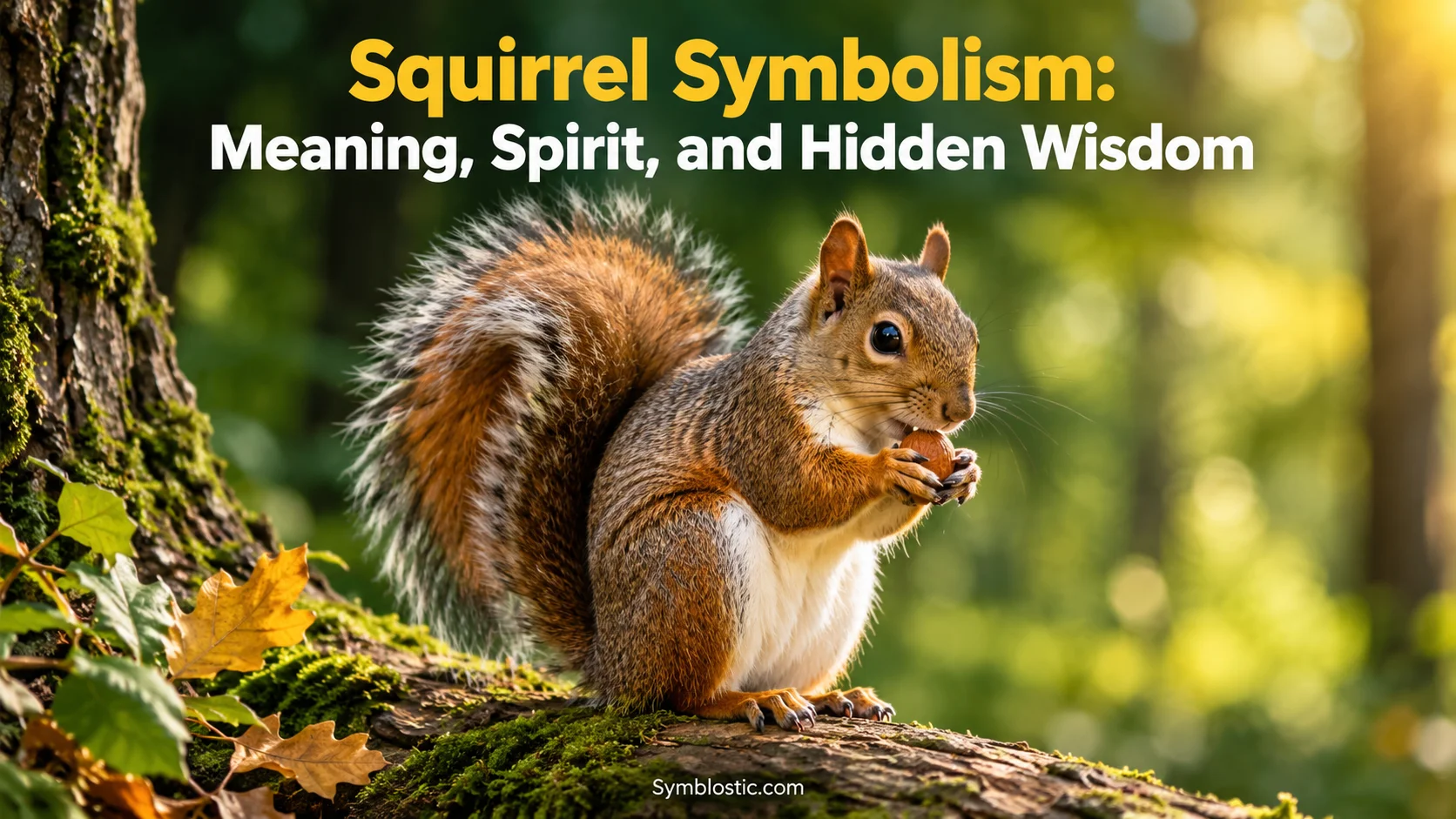
Squirrels are familiar sights across American neighborhoods, parks, forests, and backyards. You might see one dart across a fence, bury an acorn beneath a tree, or pause on a branch with its bushy tail raised. These small animals often bring a moment of joy to an ordinary day. However, their behavior also carries deeper symbolic meanings that people connect with everyday life.
Squirrel symbolism often centers on preparation, adaptability, curiosity, and resourcefulness. Because squirrels gather food and prepare for colder seasons, they can remind us to plan ahead without losing our ability to enjoy the present. Their quick movements also suggest alertness, flexibility, and the courage to explore new opportunities.
In the United States, squirrels have a special place in everyday nature experiences. Children watch them in parks, homeowners encounter them in gardens, and wildlife lovers admire their cleverness. Meanwhile, spiritual interpretations connect squirrel encounters with personal growth, abundance, and the importance of balancing hard work with play.
Whether you saw a squirrel unexpectedly, dreamed about one, or simply feel drawn to this lively animal, its symbolism offers several ways to reflect on your own life. The meaning depends on the situation, your feelings, and the qualities you associate with squirrels.
Quick Answer
Squirrel symbolism in the United States commonly represents preparation, resourcefulness, adaptability, and playful energy. Spiritually, some people interpret squirrels as reminders to trust your abilities, welcome opportunities, and balance future planning with present happiness.
TL;DR
- Squirrels symbolize preparation, cleverness, adaptability, and resourcefulness.
- Their food-gathering habits represent planning for future needs.
- Their playful movements reflect curiosity, joy, and flexibility.
- Spiritually, squirrels can represent abundance, personal growth, and new opportunities.
- In American culture, they connect people with parks, forests, and everyday wildlife.
- Seeing a squirrel can inspire reflection, but it doesn’t predict the future.
What Does Squirrel Symbolism Mean?
Squirrels are small animals with recognizable features, including bright eyes, nimble paws, and bushy tails. Their actions often shape their symbolic meaning more than their appearance does. For many people, these animals represent the ability to prepare, adapt, and find solutions when circumstances change.
Core Symbolic Meanings
Three central themes appear repeatedly in modern interpretations of squirrels.
- Preparation: Gathering and storing food represents thinking ahead.
- Resourcefulness: Finding food and navigating obstacles reflects practical problem-solving.
- Playfulness: Chasing, climbing, and jumping suggest curiosity and enjoyment.
However, squirrels can also symbolize nervous energy or distraction. Their constant movement may remind you of a busy mind that struggles to settle down.
What Makes the Squirrel a Powerful Symbol?
A squirrel performs ordinary tasks with impressive persistence. It searches for food, remembers familiar locations, responds quickly to danger, and adjusts its behavior to changing conditions.
These qualities make it an appealing symbol for people facing new responsibilities. The squirrel suggests that small, repeated actions can create security over time.
Historical Background of Squirrel Symbolism
Squirrels have lived alongside humans for thousands of years. Their symbolic associations developed through observation, storytelling, folklore, and changing relationships with wildlife.
Unlike animals such as lions, eagles, or bears, squirrels rarely served as major emblems of kingship or national power. Instead, their symbolism often grew from everyday experiences with food, trees, seasonal changes, and animal behavior.
Squirrels in Traditional Folklore
In many communities, animals became characters in stories that explained human behavior. Small, clever creatures often represented intelligence, mischief, or the ability to survive through quick thinking.
Squirrels fit this role naturally because they move quickly and collect food. However, the exact meanings varied by region, and not every traditional story assigned squirrels the same qualities.
European Folklore and American Settlements
European settlers brought familiar animal stories and ideas to North America. As communities developed around forests and farms, squirrels became part of everyday observations and local storytelling.
Their presence also connected them with seasonal rhythms. Seeing squirrels collect nuts before winter offered a visible reminder that preparation could make difficult times easier.
From Folklore to Modern Symbolism
Over time, squirrels became familiar characters in children’s books, cartoons, nature programs, and household decorations. Their lively behavior made them easy to portray as playful, clever, or slightly mischievous.
Today, their symbolic meanings often blend older observations with modern ideas about productivity, independence, and personal growth.
Squirrel Symbolism in American Culture
In the United States, squirrels are among the most recognizable forms of urban and suburban wildlife. They appear on college campuses, in public gardens, along walking trails, and around homes.
This familiarity gives squirrels a special kind of symbolism. They usually represent everyday nature rather than distant wilderness, making their qualities easy to connect with ordinary American life.
Squirrels in Parks and Neighborhoods
Many Americans associate squirrels with peaceful outdoor spaces and childhood memories. Watching one gather food can turn a routine walk into a small moment of connection with nature.
Their presence also reflects how wildlife adapts to human environments. Squirrels can live near busy streets, buildings, and people while continuing many of their natural behaviors.
American Values and Everyday Associations
Several qualities commonly associated with squirrels overlap with values celebrated in American culture.
- Self-reliance: Finding food and solving problems reflects independence.
- Hard work: Gathering supplies suggests persistence and preparation.
- Ingenuity: Navigating obstacles symbolizes practical creativity.
- Individuality: Unpredictable movements reflect a lively, independent spirit.
- Community awareness: Observing wildlife encourages people to notice their surroundings.
These connections are interpretations rather than fixed cultural rules. A squirrel may mean something different to a gardener, a wildlife photographer, or someone who remembers feeding squirrels as a child.
Squirrels in American Media
Squirrels often appear as comic characters in animated films, children’s stories, and online videos. Their speed and unpredictable behavior make them natural sources of humor.
Consequently, American audiences may associate squirrels with excitement, distraction, or playful chaos as well as preparation and intelligence.
The Spiritual Meaning of a Squirrel
For people who enjoy spiritual symbolism, a squirrel can serve as a reminder to pay attention to daily choices. Its habits encourage reflection on how you use your time, manage your energy, and prepare for change.
However, spiritual interpretations aren’t universal facts. They represent personal beliefs and symbolic traditions rather than scientifically established messages from the universe.
Preparation for Future Abundance
A squirrel gathering food can symbolize preparing for a period of growth or uncertainty. Spiritually, this image may encourage you to develop useful habits before you need them.
For example, learning a new skill or building a consistent routine can help you feel more prepared for future challenges. The squirrel’s example emphasizes steady action instead of waiting for the perfect moment.
Trusting Your Instincts
Squirrels respond quickly to their surroundings. Their alertness can symbolize the value of noticing changes and trusting your ability to respond thoughtfully.
However, instinct doesn’t replace careful judgment. This interpretation is most useful when it encourages you to pay attention rather than make rushed decisions.
Finding Joy in the Present
Squirrels don’t spend every visible moment gathering food. They also explore, interact, and move through their environment.
Their behavior can inspire you to make room for recreation while working toward important goals. In spiritual reflection, the squirrel represents the idea that preparation and happiness can exist together.
Squirrel as a Spirit Animal
In contemporary spiritual language, a spirit animal is often described as an animal whose qualities offer personal guidance or reflect someone’s character. Some people use this language casually, while others connect it with specific cultural or religious traditions.
Because animal-spirit concepts differ across cultures, it’s important not to treat every tradition as interchangeable. The following interpretation reflects a broad, modern symbolic approach.
What Does a Squirrel Spirit Animal Represent?
A squirrel spirit animal is commonly associated with practical intelligence, curiosity, preparation, and lively energy. People drawn to this symbol may value independence while enjoying exploration and new experiences.
Its message can be understood through several everyday lessons:
- Prepare for challenges without expecting everything to go wrong.
- Use what you already have before seeking more.
- Stay flexible when your original plans change.
- Make time for laughter, rest, and meaningful relationships.
- Approach problems with patience and creative thinking.
The Shadow Side of Squirrel Energy
Every symbol has qualities that can become unhelpful when taken too far. A squirrel’s constant activity may represent the difficulty of slowing down.
For instance, you might be planning so many future projects that you struggle to finish current ones. In this context, squirrel symbolism encourages you to focus, simplify your priorities, and protect your time.
Squirrel Totem Meaning and Personal Identity
The word totem has specific meanings in various Indigenous cultures, including relationships involving clans, communities, and ancestral identities. It shouldn’t be used as though every culture shares one universal system.
In contemporary popular spirituality, people sometimes use “squirrel totem” to describe an animal that represents recurring personal qualities. This informal use differs from culturally specific traditional practices.
What a Squirrel Symbol May Say About You
If you strongly identify with squirrels, you may connect with their resourceful and curious nature. You might enjoy solving practical problems, exploring new environments, or keeping several plans moving at once.
The symbol can also represent a preference for independence. Squirrels remind us that being capable doesn’t mean doing everything alone; knowing when to seek support is another form of resourcefulness.
A Symbol of Adaptability
Squirrels live in different environments, from forests to suburban neighborhoods. Their ability to respond to changing conditions makes them a useful symbol for people navigating a new job, moving to another place, or beginning a different stage of life.
Rather than demanding complete certainty, this interpretation encourages you to learn as circumstances unfold.
What Does It Mean When You See a Squirrel?
Seeing a squirrel can feel meaningful, especially when the encounter happens during a difficult period or at an important moment. The experience may invite reflection, but it doesn’t automatically indicate a supernatural message.
The setting, your feelings, and your personal associations can help you decide what the encounter means to you.
Seeing a Squirrel During a Difficult Time
A squirrel gathering food might remind you to take practical steps toward greater stability. If you’re facing uncertainty, the image can encourage patience and preparation.
For example, you could break a large task into smaller actions. The symbolic lesson comes from your response to the encounter, not from a guaranteed prediction.
Seeing a Squirrel Repeatedly
Repeated squirrel sightings can happen because squirrels are common in many environments. Once you begin noticing an animal, you may also become more aware of it.
Still, repeated encounters can have personal significance. You might use them as a reminder to examine your routines, make room for fun, or consider whether you’re preparing for a change.
A Simple Reflection Practice
When a squirrel catches your attention, consider these questions:
- What was I thinking about when I noticed it?
- Am I preparing wisely, or worrying too much about tomorrow?
- Where could I use more flexibility?
- Have I left enough room for enjoyment and rest?
These questions turn a familiar wildlife encounter into an opportunity for self-reflection without assuming that every sighting carries a hidden command.
Squirrel Symbolism in Dreams
Dream interpretations often connect squirrels with preparation, activity, security, and the management of resources. However, dreams don’t have one universal meaning, and their content can reflect ordinary memories, emotions, and experiences.
Your feelings during the dream may provide more useful clues than the animal alone.
Dreaming of a Squirrel Gathering Nuts
A squirrel storing food may symbolize planning, saving, or preparing for a future goal. The dream could relate to a project, a personal commitment, or a desire for greater stability.
If the squirrel appears calm, the scene may feel reassuring. If it seems frantic, you might reflect on whether you feel pressured to prepare for every possible outcome.
Dreaming of a Running or Jumping Squirrel
A fast-moving squirrel may represent energy, curiosity, or a situation that feels difficult to control. It might also reflect a busy schedule or several competing responsibilities.
Consider whether the movement felt exciting or stressful. Your emotional reaction can help you explore the dream’s personal meaning.
Dreaming of an Injured or Trapped Squirrel
An injured squirrel may bring up feelings of vulnerability, frustration, or concern. Rather than treating it as a prediction, consider whether something in your waking life feels restricted or neglected.
Dream imagery is highly personal. One dream shouldn’t be treated as proof that something bad will happen.
Read More: Dragonfly Spiritual Meaning: Transformation, Hope, and Change
Squirrel Symbolism in Love, Relationships, and Family
Squirrels can symbolize care, preparation, playfulness, and the effort required to maintain a secure home. These qualities make them relevant to reflections on relationships and family life.
Their meaning is not limited to romance. It can also apply to friendships, parenting, and the everyday work of caring for others.
Preparation and Emotional Security
A squirrel storing food can represent building a stable foundation with another person. In a relationship, this might mean making plans together, communicating honestly, or sharing responsibilities.
However, preparation should create security rather than control. Healthy relationships also need trust, flexibility, and room for each person to grow.
Playfulness and Connection
Squirrels are energetic and often appear to chase one another or explore their surroundings. These behaviors can symbolize the value of humor and spontaneous moments in close relationships.
Sometimes, the best reminder is simple: life shouldn’t become entirely about obligations. Making time for shared activities can help people feel more connected.
Independence Within a Relationship
Squirrels are often observed acting independently while remaining part of a larger environment. Symbolically, this can reflect the balance between personal freedom and shared commitments.
A strong relationship allows people to support each other without losing their individual interests or identities.
Squirrel Symbolism in Different Cultures
Squirrel symbolism varies across cultures, and interpretations shouldn’t be treated as universal. Local wildlife, storytelling traditions, religious beliefs, and historical experiences all influence how people understand animals.
In some settings, squirrels are familiar creatures in folk stories. Elsewhere, they may be less prominent in traditional symbolism.
European Cultural Associations
In European folklore and modern storytelling, squirrels are often linked with cleverness, gathering food, and lively behavior. Their seasonal habits make them natural examples of preparation and practical thinking.
These associations have influenced popular images of squirrels in children’s literature and everyday decorations. Still, particular meanings depend on the story or region.
Indigenous North American Traditions
Indigenous nations across North America have distinct languages, histories, spiritual practices, and relationships with local animals. There isn’t one single Indigenous interpretation of the squirrel.
In some communities, animal stories may teach lessons about behavior, relationships, or the natural world. However, a specific squirrel meaning should only be attributed to a named nation or tradition when reliable cultural sources support that interpretation.
Contemporary Spiritual Interpretations
Modern spiritual communities often connect squirrels with abundance, resourcefulness, and awareness. These interpretations may draw on direct observation rather than a single ancient religious teaching.
It’s helpful to distinguish contemporary personal symbolism from documented historical beliefs. Doing so allows people to explore spiritual meaning without presenting modern interpretations as universal cultural facts.
Squirrel Symbolism in Tattoos, Art, and Home Decor
Squirrels appear in artwork, clothing, nature-inspired decorations, and tattoos. Their appearance can communicate different messages depending on the design and the owner’s personal story.
In the United States, squirrel imagery often feels approachable and familiar. It can express affection for wildlife while also representing deeper ideas about work, growth, and personality.
Squirrel Tattoo Meaning
A squirrel tattoo may symbolize independence, preparation, curiosity, or a connection with nature. Someone might choose the design because it reflects their personality or reminds them of a meaningful place.
Different design choices can shift the message:
- A squirrel holding an acorn can represent preparation and future goals.
- A squirrel climbing a tree can suggest progress and ambition.
- A playful squirrel can reflect humor and youthful energy.
- A squirrel among autumn leaves can symbolize seasonal change.
- A realistic woodland squirrel can express appreciation for wildlife.
There isn’t one official meaning for any of these designs. The wearer’s experience usually matters more than a fixed symbolic definition.
Squirrels in Home Decor
Squirrel ornaments, illustrations, and seasonal decorations can bring a woodland feeling into a home. They often work especially well with natural materials, autumn colors, and garden-inspired themes.
For some people, these decorations also represent comfort and familiarity. A small squirrel figure may recall childhood visits to a park or time spent watching wildlife in the backyard.
Art, Fashion, and Social Media
Squirrels’ expressive movements make them popular subjects for humorous images and short videos. Their habit of rushing around or hiding food can also serve as a playful comparison for busy schedules and everyday distractions.
However, these modern jokes are not deep cultural traditions. They represent one part of the animal’s changing public image.
Positive and Negative Meanings of Squirrel Symbolism
Squirrel symbolism is usually positive, but the animal can represent less helpful habits as well. Its meaning depends on which behavior receives attention and how people connect that behavior with their own lives.
Recognizing both sides creates a more balanced interpretation.
Positive Symbolism
Squirrels can represent several strengths that support personal development.
- Resourcefulness: Making good use of available tools and opportunities.
- Persistence: Continuing to work toward a goal through small actions.
- Adaptability: Changing strategies when circumstances shift.
- Curiosity: Exploring unfamiliar ideas and surroundings.
- Playfulness: Finding enjoyment beyond daily responsibilities.
These qualities make the squirrel an encouraging symbol during times of transition or growth.
Negative Symbolism
The same behaviors can suggest challenges when they become excessive.
A squirrel’s quick movements might represent restlessness, while its habit of storing food could suggest fear of scarcity. Constant preparation may also become a source of stress if someone struggles to enjoy the present.
| Symbolic context | Common interpretation | Possible challenge |
| Gathering acorns | Preparation and security | Excessive worry about the future |
| Running quickly | Energy and alertness | Restlessness or distraction |
| Hiding food | Protecting resources | Fear of scarcity |
| Climbing trees | Progress and ambition | Taking on too many goals |
| Playing and exploring | Curiosity and joy | Avoiding necessary responsibilities |
Is Squirrel Symbolism Ever Controversial?
Squirrels aren’t generally associated with major political or religious controversies in mainstream American culture. However, symbolic interpretations can become misleading when personal beliefs are presented as universal truths.
It’s also important to distinguish symbolic appreciation from wildlife behavior. Feeding wild squirrels or approaching them too closely can create problems for both animals and people. Appreciating a squirrel doesn’t require treating it as a supernatural messenger or interfering with its natural habits.
Squirrel Symbolism and the Changing Seasons
Seasonal changes are central to many interpretations of squirrel behavior. Their visible gathering and storing of food makes them especially meaningful in autumn, while their continued activity during colder months highlights resilience and preparation.
For American readers, these associations connect squirrel symbolism with familiar seasonal experiences.
Autumn: Preparation and Abundance
Autumn is often the strongest season for squirrel imagery. Acorns, falling leaves, and shorter days create a natural setting for ideas about gathering resources and preparing for change.
The squirrel can remind you to appreciate what you’ve achieved while preparing for upcoming responsibilities. It represents planning as an ongoing habit rather than a single event.
Winter: Patience and Persistence
Winter symbolism often centers on endurance, rest, and the careful use of resources. A squirrel can represent the value of using what you’ve gathered and adjusting to less favorable conditions.
However, squirrels don’t all behave alike, and their habits vary by species and environment. Their symbolic connection with winter comes from general observations, not from a universal rule that every squirrel hibernates or stores food in the same way.
Spring and Summer: Growth and Exploration
Spring and summer offer a different symbolic emphasis. New growth, active movement, and abundant natural resources can connect squirrels with curiosity, opportunity, and fresh beginnings.
These seasonal meanings complement the familiar autumn theme. Together, they suggest that life requires both preparation and the willingness to explore.
FAQs:
Is seeing a squirrel a good omen?
Many modern symbolic interpretations view squirrels positively because they represent resourcefulness, preparation, and adaptability. However, seeing one doesn’t guarantee good luck or predict a particular event. You can treat the encounter as a personal reminder to prepare thoughtfully and enjoy everyday life.
What does a squirrel mean spiritually?
Spiritually, a squirrel may represent abundance, alertness, practical wisdom, and the balance between work and play. Some people interpret its appearance as an invitation to reconsider their habits or priorities. These meanings are personal interpretations, not established supernatural facts.
What does a squirrel symbolize in dreams?
A squirrel in a dream may relate to planning, security, energy, or concerns about resources. A calm squirrel might feel reassuring, while a frantic one could reflect a busy or stressful period. Consider the dream’s setting and your emotions before settling on an interpretation.
What does it mean when a squirrel crosses your path?
A squirrel crossing your path is usually ordinary animal behavior. Symbolically, you might use the moment to reflect on flexibility, awareness, or an upcoming decision. Its meaning depends on your personal perspective rather than a universal spiritual rule.
What does a squirrel tattoo represent?
A squirrel tattoo commonly represents independence, resourcefulness, curiosity, and preparation. Designs featuring acorns may emphasize planning, while climbing squirrels can suggest progress. Personal memories and artistic choices can give the tattoo a more individual meaning.
What does a squirrel symbolize in Native American cultures?
There isn’t one universal Native American meaning for squirrels because Indigenous nations have distinct cultural traditions. Specific interpretations should be connected to reliable information about the particular nation or community. General modern spiritual meanings shouldn’t automatically be described as traditional Indigenous beliefs.
Conclusion:
Squirrel symbolism offers a meaningful way to think about preparation, resourcefulness, adaptability, and joy. In American culture, squirrels are familiar reminders of the natural world, while modern spiritual interpretations often connect them with abundance, personal growth, and awareness. Their lively behavior also encourages us to consider whether we’re balancing our ambitions with the simple pleasures of everyday life.

1 thought on “Squirrel Symbolism: Meaning, Spirit, and Hidden Wisdom”